
User Experience Barriers: Making Crypto Accessible for Everyone explores the usability challenges that can prevent newcomers from adopting cryptocurrency and blockchain technology. The article examines issues such as complicated wallets, confusing addresses, private-key management, network fees, unfamiliar terminology, fragmented platforms, difficult transaction processes, and the fear of making irreversible mistakes. […]
Year: 2025

Blockchain forensics is the specialized field of analyzing and investigating transactions on a blockchain to identify, trace, and prevent illicit activities. While a blockchain is often described as anonymous, it is more accurately described as pseudonymous. Every transaction is permanently and publicly recorded on an immutable ledger, creating a digital […]

Front-running in blockchain is a transaction-ordering practice in which a participant attempts to gain an advantage by placing a transaction before another pending transaction. It is particularly important in decentralized finance (DeFi), where pending transactions, market movements, and smart-contract activity can create profitable opportunities. Unlike traditional financial markets, public blockchains […]
Cryptocurrency Security 2025: Protecting Your Digital Assets from Hacks Cryptocurrency security remained a critical issue in 2025 because crypto transactions can be difficult or impossible to reverse once funds are stolen. Unlike traditional bank deposits, self-custodied crypto generally does not have a central institution that can simply restore access after […]

A rug pull is a malicious maneuver in which developers of a cryptocurrency project suddenly abandon it and run off with the investor funds. The name comes from the idea of “pulling the rug out from under” investors, leaving them with worthless tokens. This scam is especially common in decentralized […]

The inherent security of blockchain technology—its cryptography and consensus mechanisms—is incredibly robust. However, this technical strength often creates a false sense of security for users, as the most common and damaging security breaches are not protocol-level hacks but rather exploits of the human element. User error and social engineering are […]
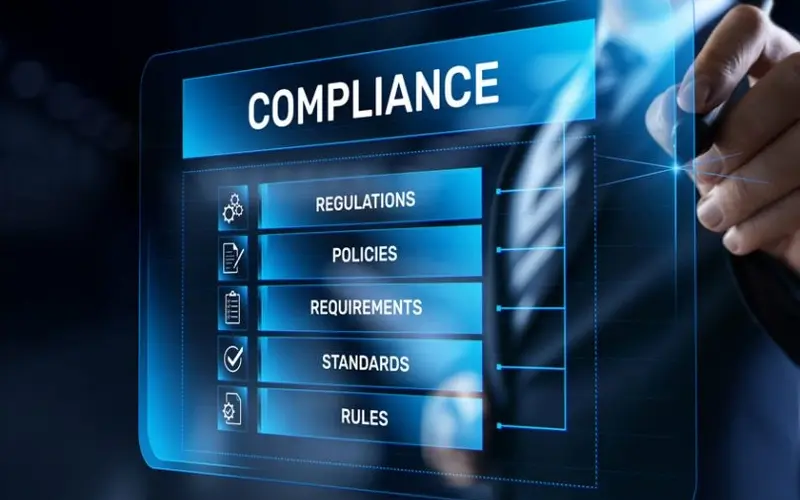
Regulatory compliance is one of the most significant hurdles for mainstream blockchain adoption, particularly in the areas of anti-money laundering (AML) and know your customer (KYC). While the technology’s decentralized and pseudonymous nature has made it attractive to bad actors, regulators worldwide are pushing for greater transparency and accountability, putting […]

Decentralized Autonomous Organizations (DAOs) are a core pillar of the Web3 vision, offering a new model for collective decision-making and resource management without a central authority. However, in practice, DAOs face a number of significant governance challenges that can hinder their effectiveness, security, and true decentralization. 1. The Problem of […]

Blockchain technology is designed to provide transparent, deterministic, and tamper-resistant execution. Smart contracts can automatically enforce predefined rules without requiring a traditional intermediary. However, there is an important limitation: smart contracts cannot natively access information from the outside world. This limitation is known as the blockchain oracle problem. A smart […]

The lack of interoperability, or the inability for different blockchains to communicate with each other, is a major barrier to the growth of a unified and interconnected Web3 ecosystem. Each blockchain operates as a “digital island” with its own unique architecture, consensus rules, and programming language. This siloed nature prevents […]


