Blog
Regulatory Compliance for Blockchain Projects: KYC/AML
Regulatory compliance is one of the most significant hurdles for mainstream blockchain adoption, particularly in the areas of anti-money laundering (AML) and…
Regulatory compliance is one of the most significant hurdles for mainstream blockchain adoption, particularly in the areas of anti-money laundering (AML) and…

Decentralized Autonomous Organizations (DAOs) are a core pillar of the Web3 vision, offering a new model for collective decision-making and resource management…

Blockchain technology is designed to provide transparent, deterministic, and tamper-resistant execution. Smart contracts can automatically enforce predefined rules without requiring a traditional…

The lack of interoperability, or the inability for different blockchains to communicate with each other, is a major barrier to the growth…

Data privacy on public blockchains is a complex and evolving issue. While the use of pseudonymous addresses offers a layer of anonymity,…

The threat of quantum computing to blockchain technology is a significant and a well-known risk within the cybersecurity and cryptography communities. While…

For blockchain technology to move from a niche, developer-centric space to a mainstream technology, it must overcome its most significant barrier to…
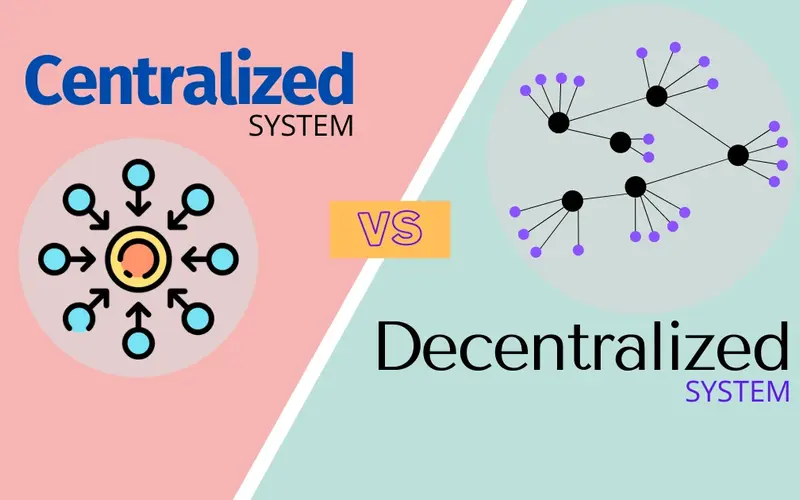
Blockchain was born out of a desire for decentralization—to create a system that is resistant to censorship, single points of failure, and…

The “blockchain trilemma,” a term coined by Ethereum co-founder Vitalik Buterin, describes the fundamental challenge in designing a public blockchain. It posits…

The energy consumption of some blockchain networks, particularly Bitcoin, has become a major point of contention in the global sustainability debate. The…