P.
Blog
Investing in NFTs: Dos and don’ts
Investing in NFTs (non-fungible tokens) can be both exciting and risky. NFTs represent ownership of unique digital assets, and their value can…
Blog
Investing in NFTs (non-fungible tokens) can be both exciting and risky. NFTs represent ownership of unique digital assets, and their value can…
Delegated Proof of Stake (DPoS) is a consensus mechanism used in blockchain networks to achieve distributed consensus and validate transactions. It is…
In cryptocurrency and blockchain projects, a hard cap refers to the maximum amount of funds that can be raised during a fundraising…
Move-to-Earn (M2E) crypto is a concept that combines physical activity with cryptocurrency rewards. In these platforms, users earn cryptocurrency or digital tokens…

Creating your first smart contract with Solidity involves writing and deploying a simple program on the Ethereum blockchain. Solidity is a high-level…
Byzantine Fault Tolerance (BFT) is a concept in distributed computing and blockchain technology designed to ensure that a system can reach consensus…
A consortium blockchain is a type of blockchain network where multiple organizations or entities collaborate to manage and maintain the blockchain. Unlike…
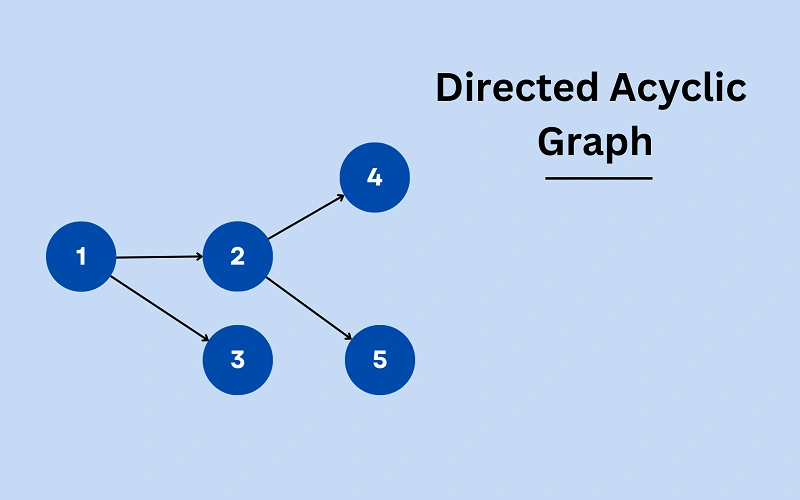
A Directed Acyclic Graph (DAG) is a type of data structure that is used in some blockchain and distributed ledger technologies as…
A double-spending attack is a type of fraud that occurs in digital currencies and blockchain systems when a malicious actor attempts to…
The EOS blockchain is a decentralized operating system designed to support the development and execution of decentralized applications (dApps) at scale. Launched…