
A consortium blockchain is a type of blockchain network where multiple organizations or entities collaborate to manage and maintain the blockchain. Unlike public blockchains, which are open to anyone and are maintained by a decentralized community of participants, consortium blockchains are restricted to a pre-selected group of participants who jointly […]
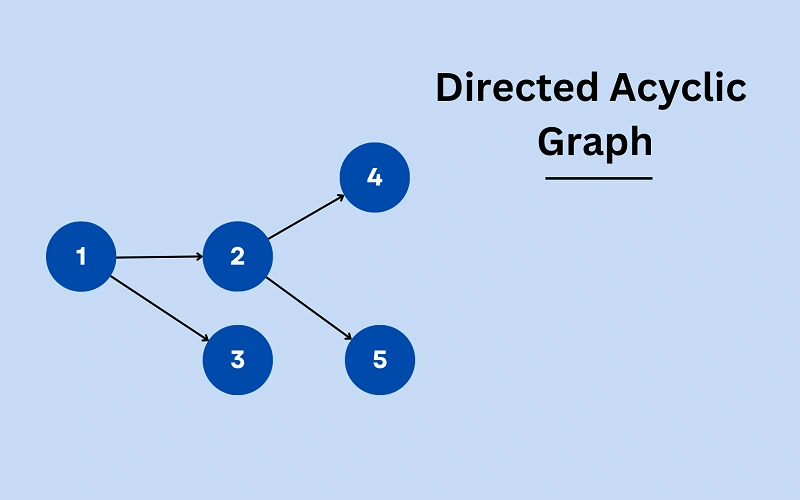
A Directed Acyclic Graph (DAG) is a type of data structure that is used in some blockchain and distributed ledger technologies as an alternative to traditional blockchain architectures. Unlike linear blockchains, which are structured as a chain of blocks where each block is linked to its predecessor, DAG-based systems use […]
A double-spending attack is a type of fraud that occurs in digital currencies and blockchain systems when a malicious actor attempts to spend the same digital currency more than once. This attack undermines the integrity of the currency system by exploiting the digital nature of the currency, which can be […]
The EOS blockchain is a decentralized operating system designed to support the development and execution of decentralized applications (dApps) at scale. Launched in June 2018 by Block.one, EOS aims to provide a platform that is highly scalable, user-friendly, and capable of supporting high-performance applications. It achieves this through a combination […]
The Enterprise Ethereum Alliance (EEA) is a global organization focused on driving the adoption of Ethereum blockchain technology within enterprise settings. Founded in 2017, the EEA aims to develop standards, protocols, and best practices for implementing Ethereum-based solutions in business environments. It brings together a diverse range of participants, including […]

EWASM (Ethereum-flavored WebAssembly) is an advanced virtual machine designed to improve the performance, security, and flexibility of smart contracts on the Ethereum blockchain. It aims to replace the current Ethereum Virtual Machine (EVM) with a more powerful and efficient environment by leveraging WebAssembly (WASM) technology. For developers and businesses working […]
Hyperledger is an open-source initiative under the Linux Foundation that supports technologies for enterprise blockchain and distributed-ledger applications. Rather than being a cryptocurrency or one single blockchain, Hyperledger encompasses projects and tools that organizations can use to design networks for shared business records, identity, and other collaborative workflows. For businesses, […]
An Initial Coin Offering (ICO) is a method of fundraising used by cryptocurrency projects to raise capital by issuing and selling digital tokens to investors. ICOs became popular during the early days of blockchain and have been a pivotal tool for launching new projects in the crypto space. Here’s an […]
An initial token offering (ITO) is a fundraising or distribution arrangement in which a project offers blockchain-based tokens to participants. The term is not a universal legal category: projects may use ITO, ICO, token sale, or other labels for arrangements that differ substantially in rights, structure, and regulatory treatment. Before […]
A Security Token Offering (STO) is a method of fundraising that combines traditional financial securities with blockchain technology. In an STO, digital tokens are issued to investors, and these tokens represent ownership or rights to an underlying asset, such as equity, debt, or real estate. Unlike Initial Coin Offerings (ICOs), […]


