
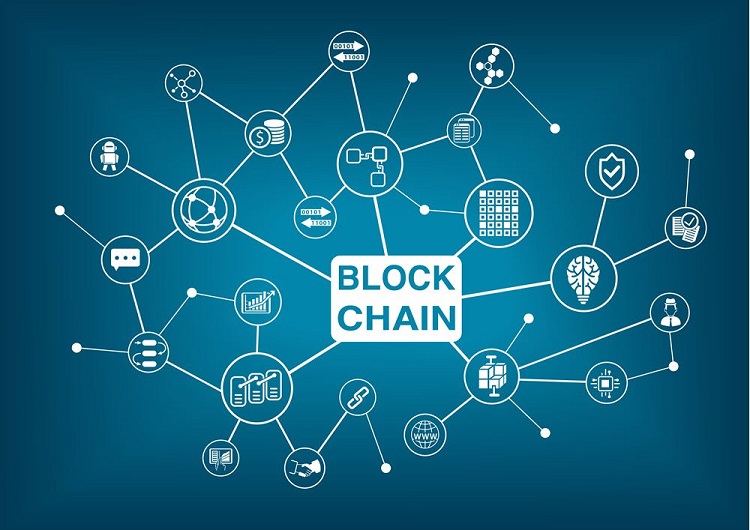
Blockchain is a technology that has become one of the most important developments in the digital economy and is often associated with the Fourth Industrial Revolution. Unlike many traditional websites, applications, and networks that rely on a centralized approach, blockchain technology can operate through a distributed network of computers.
Instead of storing and managing all information on a single central server, blockchain networks can distribute copies of their records across computers called nodes. These nodes participate in maintaining, verifying, and, depending on the blockchain, storing the network’s data.
Another important feature of blockchain technology is its use of cryptography to protect the integrity and authenticity of information. Data or transactions can be grouped into blocks, and these blocks are connected using cryptographic hashes to form a chain.
For example, if a blockchain uses a block size of approximately one megabyte, transactions or other data are grouped into blocks according to the rules of that particular network. The blocks are then linked together chronologically through cryptographic references.
Blocks are therefore not simply independent containers of information. Each block is connected to the previous block, creating a continuous chain that can be traced back to the first block, known as the genesis block.
If information in an existing block is changed, its cryptographic hash will also change. This can break the expected relationship between that block and subsequent blocks. On a well-secured blockchain, changing confirmed historical records can therefore require significant computational, economic, or network control, depending on the blockchain’s design.
The blockchain is a type of distributed ledger technology (DLT) that can record transactions and other information across a network of computers. Its combination of distributed data, cryptography, and consensus mechanisms can provide transparency, integrity, and resistance to unauthorized modification.
Key Components of Blockchain
- Blocks: A block is a collection of data or transactions that are bundled together. Depending on the blockchain, a block can contain transactions, a timestamp, a reference to the previous block, and other technical information. You can learn more about the anatomy of a blockchain block and what is stored inside it.
- Chain: The chain is a sequence of blocks linked together in chronological order. Each block contains cryptographic information connecting it to the previous block, forming a continuous chain back to the very first block, known as the “genesis block.”
- Decentralization: Unlike a traditional centralized database, many blockchain networks are maintained by a distributed network of computers called nodes. The level of decentralization varies between blockchain networks, with public, private, permissioned, and other network designs having different governance and participation models. Learn more about different types of blockchain networks.
- Cryptography: Blockchain uses cryptographic techniques to protect data integrity and authorize transactions. This includes hashing, which helps link blocks and identify changes to data, and digital signatures, which can be used to verify that transactions were authorized by the holder of a relevant private key.
- Consensus Mechanisms: To add new blocks to a blockchain, participating computers must follow rules that determine which transactions and blocks are valid. Blockchain networks use different consensus mechanisms to achieve agreement. Common examples include Proof of Work (PoW) and Proof of Stake (PoS). Learn more about blockchain consensus algorithms.
How Does Blockchain Work?
Understanding how blockchain works is easier when the process is broken down into several steps.
- A transaction or other piece of data is submitted to the blockchain network.
- Participating nodes receive and validate the information according to the network’s rules.
- Valid transactions can be grouped together into a block.
- The blockchain’s consensus mechanism determines how the network agrees on the next valid block.
- The new block is added to the existing chain.
- Participating nodes update their records according to the rules of the network.
This process allows multiple participants to maintain a shared digital record without necessarily relying on one central database administrator.
The exact process differs between blockchain networks. Proof of Work, Proof of Stake, and other consensus mechanisms use different methods for validating and adding blocks.
What Are Blockchain Nodes?
A blockchain node is a computer or system that participates in a blockchain network. Depending on the blockchain and the type of node, it may store blockchain data, verify transactions, relay information to other nodes, or participate in the consensus process.
Nodes are an important part of distributed blockchain networks because the network can maintain multiple copies of its ledger rather than relying entirely on one central server.
For a more detailed explanation, see our guide to blockchain nodes and why they are important.
What Is Blockchain Architecture?
Blockchain technology consists of more than blocks and transactions. A blockchain system can include several layers and components, including data structures, cryptography, network communication, consensus mechanisms, and application or smart-contract layers.
The exact architecture depends on the blockchain being used. Different networks make different design choices regarding scalability, security, decentralization, governance, and transaction processing.
You can learn more about these components in our guide to blockchain architecture, layers, and components.
Features of Blockchain
- Tamper Resistance: Once data has been confirmed and added to a blockchain, changing historical records can be difficult because blocks are cryptographically linked and the network follows consensus rules.
- Transparency: Transactions on many public blockchains can be viewed and independently verified. However, transparency does not necessarily mean that the real-world identity of every participant is publicly known.
- Security: Blockchain networks use cryptographic techniques, distributed systems, and consensus mechanisms to protect their records. However, blockchain does not eliminate every possible security vulnerability.
- Distributed Record Keeping: Blockchain networks can maintain copies of their records across multiple participating computers, reducing dependence on a single database in many use cases.
- Programmability: Some blockchain platforms support smart contracts, which are programs that execute according to predefined rules.
- Reduced Reliance on Intermediaries: Depending on the application, blockchain can allow participants to interact according to shared rules without relying on certain traditional intermediaries.
Is Blockchain Immutable?
Blockchain is often described as “immutable,” but this term should be understood carefully.
Once information has been confirmed on a well-secured blockchain, changing historical records can be extremely difficult. However, this does not mean that blockchain data is absolutely impossible to change under every circumstance.
The practical resistance to modification depends on several factors, including the blockchain’s consensus mechanism, network size, node distribution, security model, software implementation, and economic incentives.
For this reason, it is more accurate to describe blockchain records as tamper-resistant rather than claiming that they can never be changed.
How Secure Is Blockchain?
Blockchain security comes from several technologies and mechanisms working together, including:
- Cryptographic hashing
- Digital signatures
- Distributed networks
- Consensus mechanisms
- Network validation
- Economic incentives
However, blockchain technology does not automatically prevent every type of attack. Blockchain networks can face vulnerabilities involving software, private keys, smart contracts, network infrastructure, or consensus.
For a broader introduction to these threats, read our article about blockchain security risks.
One particularly important type of blockchain attack is a 51% attack. In certain blockchain designs, an attacker that gains sufficient control over the relevant consensus process may be able to manipulate aspects of transaction ordering or transaction history.
Applications of Blockchain
Blockchain technology is not limited to cryptocurrencies. It can be used or explored in many different industries and applications.
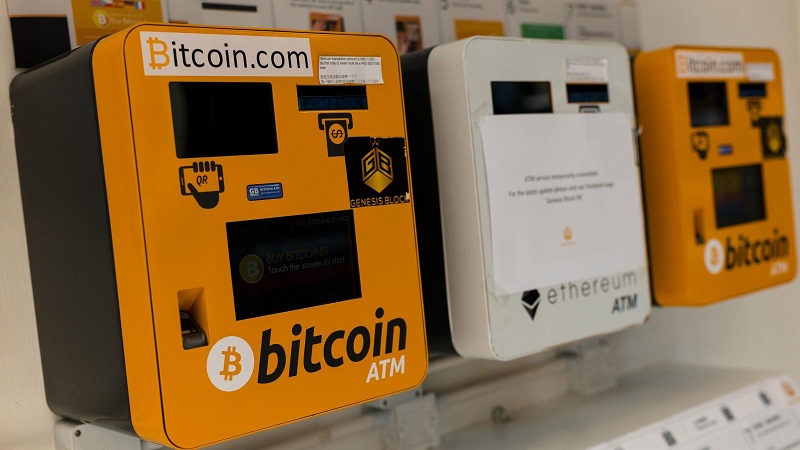
- Cryptocurrencies: Blockchain is the underlying technology used by cryptocurrencies such as Bitcoin and Ethereum to record transactions and ownership according to the rules of their respective networks.
- Smart Contracts: Some blockchain platforms support smart contracts, which are programs that execute according to predefined rules when their conditions are met.
- Supply Chain Management: Blockchain can be used to record and share information about products as they move through different stages of a supply chain. See our guide to supply-chain visibility with blockchain and end-to-end tracking.
- Tokenized Assets: Blockchain networks can be used to create digital tokens that represent assets or rights. This includes the growing area of tokenized real-world assets.
- Decentralized Applications: Some blockchain platforms allow developers to build decentralized applications, commonly known as dApps, that interact with blockchain networks and smart contracts.
- Voting Systems: Blockchain has been proposed for certain voting and record-keeping applications. However, using blockchain does not automatically solve every security, privacy, identity, or governance problem associated with voting systems.
Blockchain and Cryptocurrency: What Is the Difference?
Blockchain and cryptocurrency are related, but they are not the same thing.
Blockchain is the underlying technology used to maintain a distributed digital ledger.
Cryptocurrency is a type of digital asset that can use blockchain technology to record transactions and ownership.
Bitcoin is a well-known example of a cryptocurrency that operates on a blockchain. Blockchain technology, however, can have applications beyond cryptocurrencies.
Blockchain vs. Traditional Databases
Traditional databases are generally managed by an organization or administrator with control over the database.
A blockchain can distribute data and verification across multiple participating computers. Instead of relying entirely on one administrator, participants can follow a shared set of rules for validating and recording information.
Traditional databases can generally modify or delete records according to the permissions provided by their administrators. Blockchain networks are typically designed to make unauthorized changes to confirmed historical records difficult.
Neither technology is automatically better for every situation. A traditional database may be more appropriate when centralized control, high-speed updates, or straightforward data management are the main requirements. Blockchain may be useful when multiple parties need to maintain and verify a shared record according to common rules.
Advantages of Blockchain
Depending on the network and application, blockchain technology can provide several potential advantages:
- Distributed record keeping
- Greater transparency on public networks
- Cryptographically protected data integrity
- Resistance to unauthorized historical changes
- Programmable transactions through smart contracts
- Potential reduction of dependence on certain intermediaries
- Shared verification between multiple participants
Limitations of Blockchain
Blockchain is not the right solution for every application. Depending on the technology and use case, potential limitations can include:
- Scalability constraints
- Transaction fees
- Energy consumption for some consensus mechanisms
- Technical complexity
- Smart-contract vulnerabilities
- Private-key management risks
- Network-specific security risks
- Regulatory and compliance considerations
The choice between blockchain and a traditional database should therefore depend on the requirements of the particular application.
Common Blockchain Terms
Block: A group of transactions or other data recorded together.
Blockchain: A sequence of cryptographically linked blocks maintained according to the rules of a blockchain network.
Node: A computer or system that participates in a blockchain network.
Hash: A cryptographic output generated from data and commonly used to help verify data integrity and connect blockchain records.
Consensus: The process or mechanism used by a blockchain network to agree on valid transactions and blocks.
Miner: A participant that performs mining in a Proof of Work blockchain.
Validator: A participant that helps validate transactions or blocks under the rules of a blockchain’s consensus mechanism.
Smart Contract: A program that executes according to predefined rules on a blockchain platform.
Genesis Block: The first block in a blockchain.
Frequently Asked Questions About Blockchain
Is blockchain the same as Bitcoin?
No. Bitcoin is a cryptocurrency, while blockchain is the technology used by Bitcoin to maintain its transaction ledger. Blockchain technology can also be used for applications beyond cryptocurrency.
How does blockchain work?
Blockchain records transactions or other data in blocks, links those blocks using cryptographic mechanisms, and uses a consensus mechanism to determine which transactions and blocks are accepted by the network.
Is blockchain secure?
Blockchain networks use cryptography, distributed systems, and consensus mechanisms to provide security. However, the security of a blockchain depends on its design, implementation, network, and surrounding systems.
Can blockchain data be changed?
Changing confirmed historical data can be extremely difficult on a well-secured blockchain, but the exact level of resistance depends on the particular network. Blockchain is better described as tamper-resistant than absolutely impossible to modify.
What is a blockchain node?
A blockchain node is a computer or system that participates in a blockchain network. Different types of nodes can perform different functions, including storing data, verifying transactions, and relaying information.
What is the purpose of blockchain?
The purpose of blockchain depends on the application. In general, blockchain provides a way to maintain and verify a shared digital record across a network according to predefined rules.
Conclusion
Blockchain is a distributed ledger technology that combines blocks, cryptography, network nodes, and consensus mechanisms to maintain a shared digital record.
Although blockchain became widely known because of Bitcoin and other cryptocurrencies, its potential applications extend to smart contracts, supply chains, digital assets, decentralized applications, and other forms of digital record keeping.
Understanding blocks, hashes, nodes, decentralization, and consensus provides the foundation for learning more advanced blockchain technologies.
If you are new to blockchain, continue with our practical guide to getting started with blockchain.


6 thoughts on “What Is Blockchain? A Complete Guide to Blockchain Technology”