Cryptocurrency in India: Regulation, Taxation and Digital Currency
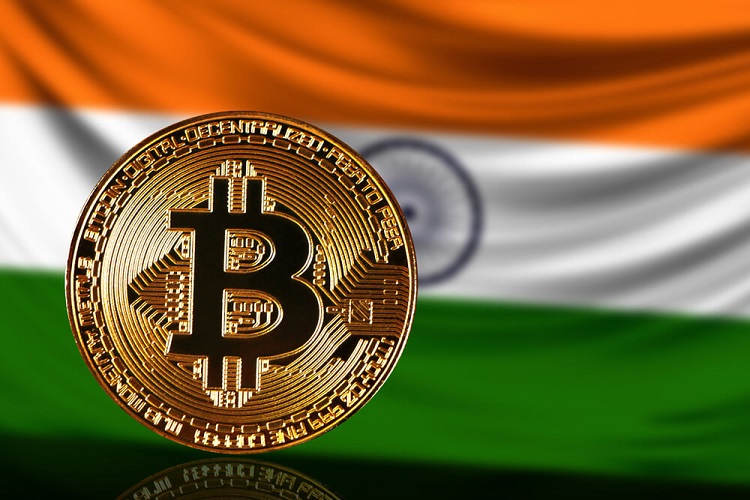
India has developed a complex regulatory and taxation framework for cryptocurrencies and other Virtual Digital Assets (VDAs). Cryptocurrencies such as Bitcoin and Ethereum are not the same thing as India’s official currency, while the country’s central bank has also developed the Digital Rupee, a central bank digital currency.
The situation has changed considerably since the early discussions about Bitcoin regulation in India. The country initially focused heavily on the risks associated with cryptocurrencies, while more recent rules have introduced taxation and compliance requirements for Virtual Digital Assets.
In this article, we look at the history of cryptocurrency regulation in India, the current tax framework, the role of the Reserve Bank of India (RBI), Virtual Digital Assets, crypto service providers, and the Digital Rupee.
Are Cryptocurrencies Legal in India?
Cryptocurrencies such as Bitcoin are not India’s legal tender. This is different from saying that every cryptocurrency activity is simply “prohibited.”
India has introduced a framework for taxing Virtual Digital Assets and has also brought certain VDA-related service providers within anti-money-laundering requirements.
Under the Indian income-tax framework, gains from Virtual Digital Assets are subject to a special tax rate under Section 115BBH. The Income Tax Department states that VDA gains are taxed at 30%, along with applicable surcharge and cess.
Therefore, the modern situation is better described as a regulated and taxed digital-asset environment rather than the simple “cryptocurrency is prohibited” description used in older versions of this article.
What Are Virtual Digital Assets in India?
The term Virtual Digital Asset (VDA) is important when discussing cryptocurrency regulation in India.
The Indian tax framework uses the VDA category for certain digital assets, including qualifying crypto-related assets.
This terminology is important because Indian regulation does not necessarily treat every blockchain-based asset in exactly the same way.
For someone researching Bitcoin, Ethereum, stablecoins, NFTs, or other crypto assets in India, it is therefore important to distinguish between:
- Cryptocurrencies and other qualifying Virtual Digital Assets
- Traditional fiat currency
- India’s central bank digital currency
- Blockchain technology itself
Blockchain technology can have applications outside cryptocurrencies, including financial infrastructure, supply chains, digital identity, tokenization, and other areas.
Cryptocurrency Tax in India
One of the most important changes since the original version of this article is India’s taxation framework for Virtual Digital Assets.
The Income Tax Department currently states that income from Virtual Digital Assets is subject to a 30% tax under Section 115BBH, together with applicable surcharge and a 4% health and education cess. VDA income can be disclosed through the dedicated Schedule VDA in applicable income-tax returns.
This means the old statement that “Digital Currency Tax: Prohibited” should no longer appear in this article.
The taxation of crypto assets can be complex depending on the type of transaction and the taxpayer’s circumstances. Anyone making significant transactions should consult an appropriately qualified Indian tax professional rather than relying solely on a general online article.
TDS on Virtual Digital Assets
India also has a tax-deduction framework for certain transfers of Virtual Digital Assets.
Section 194S addresses TDS on transfers of VDAs. The Income Tax Department’s current guidance also explains changes to the reporting mechanism for transactions occurring on or after April 1, 2026.
The practical treatment can depend on the type of transaction and the parties involved, so users should check the latest Income Tax Department requirements when filing or reporting transactions.
India’s Cryptocurrency Regulation and Anti-Money-Laundering Rules
India has also introduced anti-money-laundering requirements for businesses providing certain Virtual Digital Asset services.
The Financial Intelligence Unit-India (FIU-IND) states that activities covered by the framework include:
- Exchange between Virtual Digital Assets and fiat currencies
- Exchange between different forms of Virtual Digital Assets
- Transfer of Virtual Digital Assets
- Safekeeping or administration of VDAs or instruments enabling control over them
- Certain financial services related to the offer or sale of Virtual Digital Assets
These activities can bring service providers within the reporting-entity framework under India’s Prevention of Money Laundering Act.
FIU-IND continues to maintain registration and compliance requirements for VDA service providers, and its updated 2026 AML/CFT guidance provides additional compliance guidance.
This is another major difference between India’s current framework and the regulatory environment described in older cryptocurrency articles.
Historical Cryptocurrency Regulation in India
India’s approach to cryptocurrencies has changed significantly over time. The historical developments are still important because they explain why cryptocurrency regulation remains a major topic.
2017: Government Committee
In April 2017, an interdisciplinary committee was established to examine the existing framework for Virtual Currencies.
The committee included representatives from government and financial institutions, including the Ministry of Finance, financial-services authorities, the Revenue Department, the Ministry of Home Affairs, the Ministry of Electronics and Information Technology, the Reserve Bank of India, NITI Aayog, and the State Bank of India.
Its responsibilities included:
1) Assessing the current state of virtual currencies in India and globally.
2) Examining existing legal structures related to virtual currencies.
3) Proposing measures concerning consumer protection, money laundering and related risks.
4) Examining other issues connected with virtual currencies.
These discussions formed part of the early regulatory debate around cryptocurrencies in India.
2017–2018: Warnings About Cryptocurrency
During 2017 and 2018, Indian authorities issued several warnings about the risks associated with virtual currencies.
The Ministry of Finance warned investors about risks associated with buying and selling cryptocurrencies, while the Reserve Bank of India repeatedly cautioned users about virtual currencies.
At that time, the regulatory environment was substantially different from today’s framework.
April 2018: Reserve Bank of India Banking Restriction
On April 6, 2018, the Reserve Bank of India issued a circular directing entities regulated by the RBI not to provide certain services facilitating transactions involving virtual currencies.
The circular covered services such as maintaining accounts, registering, trading, settling, clearing, lending against virtual tokens, accepting them as collateral, and opening accounts for exchanges dealing in virtual currencies.
This became one of the most important events in India’s early cryptocurrency regulatory history.
However, this historical RBI restriction should not be presented as India’s current cryptocurrency framework.
Supreme Court and Cryptocurrency Regulation
The regulation of cryptocurrency was also challenged through legal proceedings.
Public-interest litigation concerning Bitcoin and other cryptocurrencies was brought before India’s Supreme Court, with petitions seeking a regulatory framework and action concerning cryptocurrency activities.
These cases formed part of the broader legal debate surrounding cryptocurrency in India during the earlier period.
Cryptocurrency and the Reserve Bank of India
The Reserve Bank of India has historically highlighted risks associated with privately issued cryptocurrencies.
The RBI’s role is particularly important because it is India’s central bank and is responsible for monetary policy, banking regulation, and the country’s central bank digital currency.
It is important to distinguish between:
Private cryptocurrencies such as Bitcoin and Ethereum, which are not India’s sovereign currency, and
the Digital Rupee, which is issued by the Reserve Bank of India as India’s central bank digital currency.
What Is the Digital Rupee?

India has also developed the Digital Rupee (e₹), a central bank digital currency.
Unlike Bitcoin and other decentralized cryptocurrencies, the Digital Rupee is a digital representation of India’s sovereign currency and is issued by the Reserve Bank of India.
The RBI describes the Digital Rupee as legal tender and explains that it can be used for payments through compatible Digital Rupee wallets. The RBI has also described interoperability with UPI.
The Digital Rupee should therefore not be confused with Bitcoin or other privately issued crypto assets.
Cryptocurrency Payments in India
The old version of this article stated simply that “digital currency payments” were prohibited.
That wording is too broad for the current environment.
The legal and tax treatment of crypto transactions is more complicated, and users must consider applicable tax, AML, exchange, and financial-service requirements.
At the same time, Bitcoin and other private cryptocurrencies should not be confused with India’s official currency or the Digital Rupee.
The Digital Rupee is India’s central bank digital currency and has legal-tender status, while privately issued crypto assets operate within a different regulatory and tax framework.
Cryptocurrency Exchanges in India
Crypto exchanges and other VDA service providers operating in or serving the Indian market may have regulatory and compliance obligations.
FIU-IND’s framework covers several VDA-related activities, including exchange, transfer, and custody-related services.
Users should therefore verify the current status and compliance arrangements of an exchange before depositing funds or trading.
Regulatory status can change, so information published by an exchange several years ago should not automatically be considered current.
Bitcoin and Other Cryptocurrencies in India
Bitcoin remains one of the best-known cryptocurrencies among Indian users.
Other assets, including Ethereum and stablecoins, may also be used or traded by people in India.
However, the existence of a cryptocurrency market does not make these assets legal tender.
Bitcoin is fundamentally different from the Digital Rupee because Bitcoin is a decentralized cryptocurrency, while the Digital Rupee is issued by India’s central bank.
For readers who want to understand the underlying technology, our guide on what blockchain technology is and how it works provides a useful introduction.
Blockchain Technology in India
Cryptocurrency is only one application of blockchain technology.
Distributed-ledger technology can potentially be used in areas such as:
- Financial services
- Supply-chain management
- Digital identity
- Record keeping
- Tokenization
- Payments infrastructure
- Asset management
This distinction is important because a government, financial institution, or company can explore blockchain technology without necessarily supporting the use of decentralized cryptocurrencies as money.
Risks of Cryptocurrency in India
Cryptocurrency users should consider several risks before buying or transferring digital assets.
These include:
- Price volatility
- Loss or theft of private keys
- Exchange and custody risks
- Fraudulent investment schemes
- Phishing and wallet attacks
- Smart-contract vulnerabilities
- Tax and reporting obligations
- Changes in regulation
Because cryptocurrency regulation can change, investors should verify the latest rules with Indian government and regulatory sources before making significant financial decisions.
India Cryptocurrency Regulation: Then and Now
The development of India’s cryptocurrency framework can be summarized as follows:
| Period | Development |
|---|---|
| 2017 | Government committee examined virtual currencies and their regulatory implications. |
| 2017–2018 | Indian authorities issued warnings about cryptocurrency risks. |
| April 2018 | RBI restricted regulated entities from providing certain services related to virtual currencies. |
| 2020 | The Supreme Court overturned the RBI’s 2018 banking restriction. |
| 2022 onward | India introduced specific taxation provisions for Virtual Digital Assets. |
| 2023 onward | Certain VDA service providers became subject to AML/PMLA requirements and FIU-IND registration. |
| 2026 | VDA taxation, reporting, and compliance requirements remain an important part of India’s digital-asset framework. |
India: Country Information

India
A country in South Asia
Country: India
Region: South Asia
Capital: New Delhi
National currency: Indian rupee
Type of government: Republic
Official currency: Indian rupee
Central bank: Reserve Bank of India
Digital currency: Digital Rupee (e₹)
Cryptocurrency taxation: VDA gains are subject to a special 30% tax under Section 115BBH, subject to applicable rules.
VDA service-provider AML framework: Applicable to covered activities under India’s PMLA/FIU-IND framework.
Conclusion
The situation of cryptocurrency in India has changed considerably since the early days of Bitcoin regulation.
India does not treat Bitcoin and other private cryptocurrencies as the country’s sovereign currency, but it has developed a tax and compliance framework for Virtual Digital Assets.
VDA gains are subject to a special 30% tax under Section 115BBH, while certain businesses providing VDA-related services are subject to anti-money-laundering and reporting requirements.
At the same time, India has developed the Digital Rupee, a central bank digital currency issued by the RBI and described by the central bank as legal tender.
For anyone researching cryptocurrency in India, the most important distinction is therefore between private crypto assets, Virtual Digital Assets, blockchain technology, and the official Digital Rupee.
Because tax and regulatory requirements can change, readers should always check the latest information from India’s Income Tax Department, Reserve Bank of India, and Financial Intelligence Unit-India before making financial or compliance decisions.