Introducing Coinbase Wallet
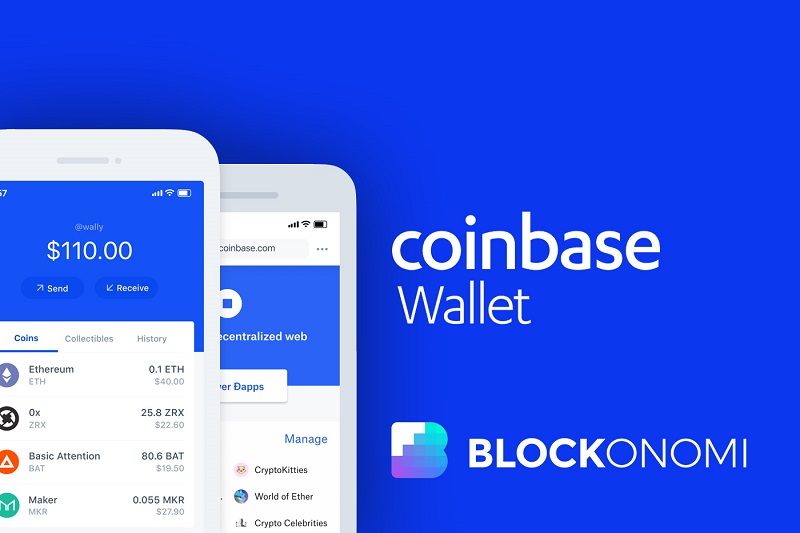
How to install and use the Coinbase Wallet; Introduction and complete guide to using Coinbase Wallet
Important 2026 update: Coinbase Wallet is a self-custody product, distinct from the custodial Coinbase exchange. Its branding and app experience have changed over time (some Coinbase help pages call it the Base app). The wallet does not provide a blanket guarantee or exchange insurance for coins controlled by your own keys. If you lose access to a recovery-phrase wallet without a valid backup, the provider generally cannot restore it. Supported networks and screens have also changed since these screenshots were taken in 2021; always consult the official Coinbase wallet help center before moving assets.
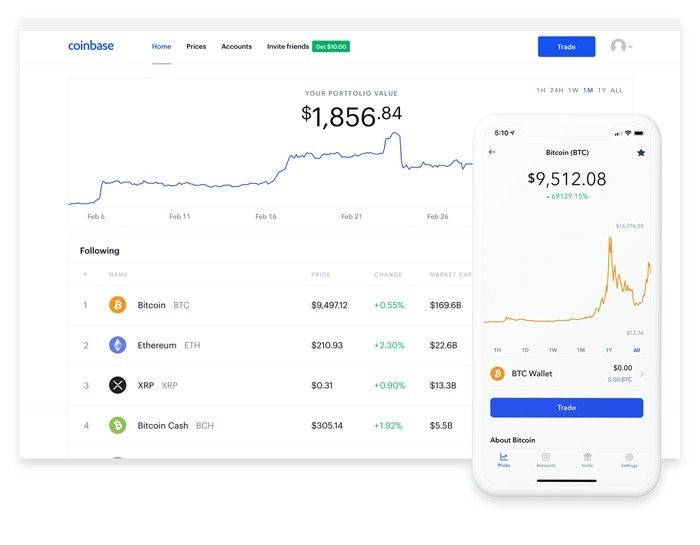
Key Features of Coinbase Wallet
- Its interface is designed to help users hold and transfer supported cryptoassets, access compatible onchain apps, and manage their own wallet security. Features and supported networks depend on wallet type and current app version.
- Security depends on your wallet type, device protection, recovery method, and transaction approvals; a password, passkey, or biometric lock does not eliminate phishing and malicious-signature risks.
- Coinbase Wallet is separate from a Coinbase exchange balance. Sending assets between them is a blockchain transfer and requires checking the correct asset and network.
Coinbase Wallet and Coinbase Exchange are separate products. The self-custody wallet may be used without holding an exchange balance, though some optional services or account methods have their own requirements. Support varies by wallet type, platform, asset, and network; check the current official network list, particularly for assets on networks discontinued in August 2026.
How to install Coinbase Wallet
The good news is that Coinbase Wallet is very easy to download and use.
Start from the official Coinbase Wallet page and follow its links to the supported mobile app or browser extension. Verify the publisher and domain; never install a wallet from an advertisement, unsolicited direct message, or lookalike site.
Choose the wallet setup option offered in your current app. A recovery-phrase wallet, passkey-based smart wallet, and email/social-login wallet can have different security, backup, network, and account requirements. Self-custody wallet creation is not the same as opening a Coinbase exchange account; optional fiat purchases or regulated services may require identity checks.
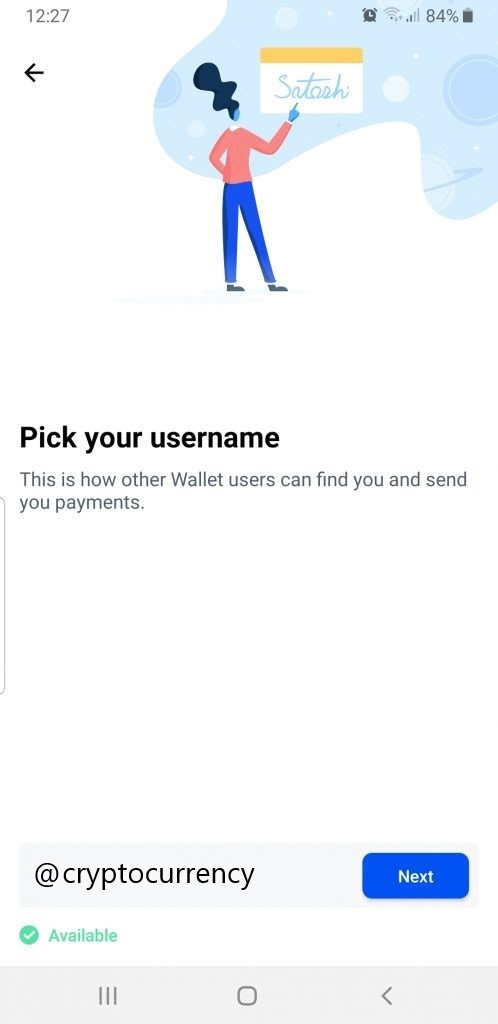
After creating an account, you need to tap the “Create a new wallet” button.
You will now be asked to confirm the “terms of service”. Check the box and then enter your username so other users can transfer tokens to your account.
After completing this step, you must select a “Touch ID” or “Passcode” to protect your account. If your phone has a fingerprint scanner, you can use Touch ID, otherwise you will need to create a 6-digit code.
For a recovery-phrase wallet, securely back up the phrase before depositing funds, verify the word order, and store it privately. Some newer smart-wallet or email-login options use different recovery methods; follow the instructions for the wallet type you actually created. Do not photograph, email, paste into websites, or disclose any recovery phrase.
If your wallet provides a 12-word recovery phrase, verify its backup offline. Coinbase cannot retrieve a lost self-custody recovery phrase. Treat any request from a purported support agent to share it as a scam. The old screenshot is retained as a historical illustration, not an instruction to reproduce an outdated setup flow.
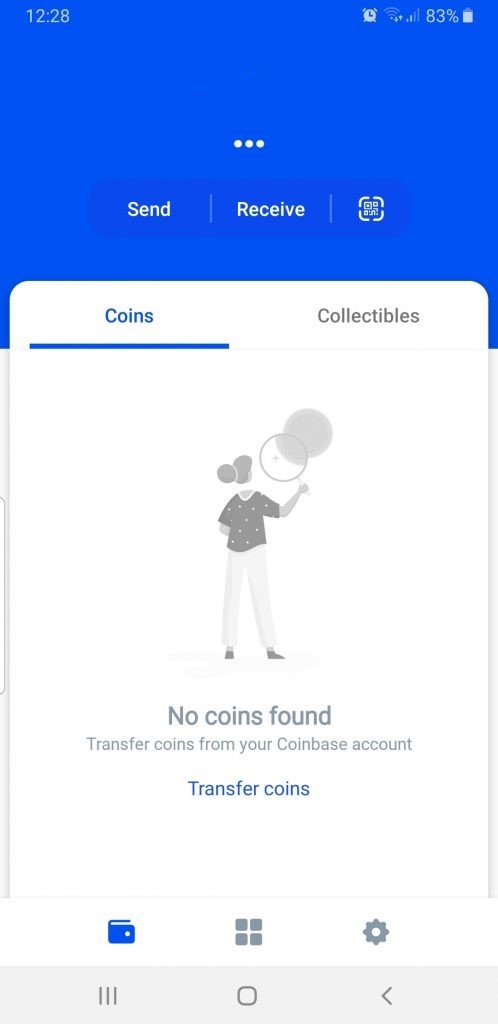
How to use Coinbase Wallet
It is very easy to send and receive digital currency tokens with Coinbase wallet. This wallet is designed for almost everyone to use. So if this is your first time working with digital currencies, do not worry.
How to send digital currency using Coinbase wallet
You can send only assets and networks currently supported by your specific wallet type. As of Coinbase’s August 2026 network changes, Litecoin, Bitcoin Cash, Ethereum Classic and other networks are no longer supported in the current app; older holdings may require a compatible self-custody wallet to access. Never assume two similarly named tokens on different networks are interchangeable.
To do this, you must do the following steps:
Open the Coinbase wallet application and log in.
Go to the “Token” tab and select the token you want to send.
Tap “Send”.
Now you need to enter the amount of tokens you want to send.
Enter the address of the wallet to which you want to send the token or scan its QR code. Now tap on the “Continue” option and all the steps will be completed.
How to receive digital currency using Coinbase wallet
The process of receiving a token using Coinbase Wallet is very similar to sending it. To do this, you must:
Follow the steps above until you reach the “send” or “receive” section.
Now tap “Receive” instead of “Send”.
Then send the automatically generated wallet or QR code to the sender and that’s it.
The number of addresses and account-management menus depend on the wallet type and version. Do not rely on this article’s 2021 address-count or menu instructions; use the current in-app receive screen and confirm the correct blockchain before sharing an address.
Coinbase wallet security
Coinbase wallet is a standalone wallet that stores private keys on the device on which it is installed, meaning that your keys are as secure as the device itself. This wallet uses Secure Element Technology to lock private keys on the smartphone, which is one of the best advanced security technologies.
Biometric and device locks reduce casual unauthorized access, but they do not make a wallet impossible to compromise. Malware, a stolen unlocked device, malicious dapp permissions, fake wallet software, and exposed recovery material remain risks. Keep the operating system updated and independently verify each transaction and signing request.
Before depositing assets, confirm and test the recovery method appropriate to your wallet type. A recovery-phrase wallet needs its private backup; a passkey or email-based wallet may use a different recovery process. Never send backup credentials to anyone.
Coinbase Wallet in 2026: What Changed?
This article was originally published in 2021, and the original screenshots and caption have been retained for reference. The product’s name, account choices, interface, and supported chains have changed. Coinbase’s own documentation sometimes refers to the Base app or Base extension. Check the publisher’s current help pages rather than following an old screen label. The important distinction is custody: a self-custody wallet gives you responsibility for authorizing transactions and safeguarding the recovery method, whereas a Coinbase exchange balance is held through a custodial service.
Do not assume that an asset shown in an old screenshot is supported today. Coinbase announced that several networks would no longer be supported in its wallet after August 15, 2026. An unsupported asset does not simply disappear from its blockchain; you may need a compatible wallet to access it. Never import a recovery phrase into an unfamiliar website or app in an attempt to make a balance appear.
Choosing the Right Wallet and Recovery Method
Wallet options may include a traditional recovery-phrase wallet, a passkey-based smart wallet, or an email/social-login wallet. These do not necessarily share the same supported networks or recovery process. Before funding any wallet, inspect the exact wallet type, what credentials control it, how it can be restored if your device is lost, and whether the intended blockchain is supported. A passkey is not the same thing as a twelve-word phrase; do not follow recovery instructions for the wrong type.
For a traditional recovery-phrase wallet, the words in the correct order can restore access in compatible software and can also give a thief control over your funds. Back them up privately and keep copies in physically secure places. Never send the phrase to support, type it into a search-result website, or enter it into a dapp. For a smart wallet, check its documented signer and backup options. A screen lock helps but does not replace a sound recovery plan.
How to Receive Crypto Safely
- Open the wallet and select the asset and blockchain you intend to receive. Some similarly named tokens exist on several networks.
- Use the current Receive function to display the address or QR code. Verify the full address and network; do not copy an address from a screenshot or old message.
- Confirm that the sending platform supports the same destination network. A mismatch can cause permanent loss or require difficult recovery.
- For a large first transfer, send a small test amount and confirm receipt before sending the remainder. Account for withdrawal fees and minimums.
- Wait for the relevant network confirmations and review the transaction in a reputable block explorer if needed. A pending display is not the same as final settlement.
Receiving an onchain transfer generally requires the sender to pay a network or withdrawal fee. The recipient may need the chain’s native asset to move those tokens later. For example, holding a token on Ethereum does not eliminate the need for ETH to pay gas when making a standard Ethereum transaction.
How to Send Crypto Without Common Mistakes
- Verify the recipient independently, especially if an address was sent by email, chat, or a copied invoice. Malware can replace clipboard addresses.
- Check the asset, chain, address, amount, and estimated network fee in the wallet’s final review screen.
- Confirm the recipient can accept that specific network and any memo or tag requirement. A valid-looking address alone does not guarantee compatibility.
- Consider a small test transfer. Once a valid blockchain transaction is confirmed, it usually cannot be reversed by customer support.
- Keep a record of the transaction hash for your own accounting and troubleshooting. Never publish your recovery credentials alongside it.
Transaction speed and cost depend on network conditions, transaction type, and the service involved. A self-custody transfer is not automatically free or instant. For a broader explanation of wallets and key ownership, see Poolyab’s guide to different types of crypto wallets.
Connecting to Apps, Swapping Tokens and Signing Requests
Some wallets let you connect to decentralized applications, exchange supported tokens, or approve a contract to spend a token. Connecting an address, signing a message, granting a token allowance, and sending a transaction are different actions. Read the request carefully, confirm the website’s domain, and avoid unlimited allowances unless you understand the consequences. Malicious approvals can expose funds even if nobody learns your recovery phrase.
A quoted swap price may include network fees, service fees, price impact, and slippage. Liquidity can be thin for obscure tokens; a displayed token balance does not establish that the asset is genuine or readily sellable. Do not buy a token solely because an unsolicited airdrop or pop-up appears in the wallet. If a transaction is unexpected, decline it and investigate through official documentation.
Wallet Security Checklist
- Install only from links provided by the genuine wallet publisher, and keep the app, browser, and operating system updated.
- Use a strong device passcode, enable available biometric or passkey protection, and secure any email account involved in recovery.
- Back up the recovery method for the wallet type you actually use before depositing meaningful funds; verify it without exposing it to another person.
- Never share a seed phrase, private key, passkey, one-time code, or remote-access session with someone claiming to be support.
- Review transaction details and token allowances before approving; disconnecting a dapp alone may not revoke an existing onchain allowance.
- Consider an appropriately supported hardware wallet for longer-term holdings, understanding that it still cannot protect you from approving a malicious transaction.
- Keep transaction records and consider local tax and reporting obligations. Wallet software does not provide investment or deposit insurance.
Common Questions About Coinbase Wallet
Is Coinbase Wallet the same as a Coinbase exchange account?
No. The exchange is custodial, while the separate wallet offers self-custody options. Transfers between them are not merely internal balance changes in every case and can involve network selection and fees.
Can Coinbase recover my lost recovery phrase?
For a traditional self-custody phrase, Coinbase states it cannot recover the twelve words. Other wallet types may use different recovery arrangements. Verify your exact setup before losing access to a device.
Why can I no longer see Litecoin or another older asset?
Coinbase’s supported-network list changed in August 2026. An unsupported network may no longer appear in the app even though the blockchain asset remains controlled by the same keys. Follow the official migration guidance and verify any alternative wallet before importing sensitive recovery material.
Are my funds insured against a scam or mistaken transfer?
Do not assume so. Self-custody assets, blockchain transfers, malicious contract approvals, and lost recovery credentials are not covered by a blanket Coinbase exchange insurance promise. Read the applicable product terms.
Where should I check current instructions?
Use the official Coinbase wallet support pages and current supported-networks page. Menus and supported services can change, and the 2021 screenshots above are historical. For additional context, read Poolyab’s introduction to crypto wallets and ownership.
Updated October 30, 2026. Educational information only; not a recommendation to buy or hold any asset.


