What is Google AdMob?
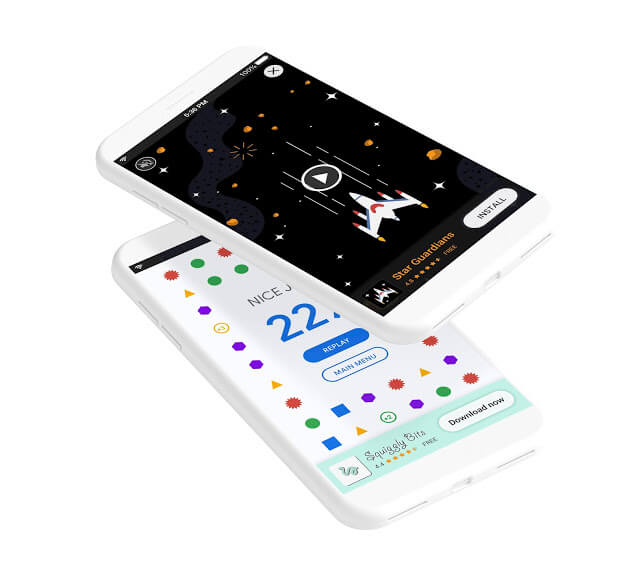
Google AdMob is a platform that makes it very easy for app developers and developers to monetize the app. The platform maximizes the value of each ad and visit by combining the three factors of global advertisers, creative advertising formats and advanced advertising technology.
AdMob gives you access to a sustainable source of income and helps you grow your business. In this way, advertisers will have access to new customers and users will have access to free-to-use applications, and app developers will have an easy way to earn money, which can be said to be a beneficial opportunity for users, advertisers and app developers.
As one of the largest advertising networks in the world, AdMob works with millions of advertisers who will compete with each other to display their ads in your application, which can be one of the world’s largest and most reputable brands or the most popular startups that lead to You will get more ads and therefore more revenue.
Types of AdMob advertising formats
Rewarded
Ads that the user can receive in-app rewards for seeing. This format is more common in online games. For example, a user can receive a reward for watching a promotional video.
Banner
A type of advertisement in which users, while using the features of the application, see the advertisements in the designated part, which is mainly displayed in a rectangular box at the top or bottom. This type of advertising format is one of the most popular formats for users and application developers and is suitable for all categories of applications.
Interstitial
Ads that are displayed between transitions to different pages and are displayed as a full screen image. This format is suitable for applications such as music playback applications (such as young radio applications), language training, etc.
Native
This advertising format can be customized to create a part that the user sees as part of the application itself.
What are the benefits of Google AdMob?

Using various Adobe formats such as Rewarded and Native ads, in addition to earning money, you can also benefit from more user interaction with the application.
AdMob prevents you from wasting your time earning money from your app with an advanced and automated system for managing the display of ads in your app.
It is possible to filter and select display ads based on topics and categories related to the subject of your application.
Ability to use the earned revenue to advertise the installation of the application on Google Play and other Google advertising networks.
Due to its connection with several advertising networks such as banner ads, YouTube ads and app installation ads, AdMob will create competition for advertisers to display ads on your app. As a result, this competition will earn you the highest income.
How does Google AdMob work?

Advertisements are created by advertisers to publish services and products to users of applications, and advertisers pay for them. When app developers create space for ads in their app and introduce their app on the Google AdMob platform, AdMob will display the ads of advertisers who pay to display their ads in your app and give a percentage of the cost received by advertisers to You will allocate.
Frequently Asked Questions
Is it possible to earn money from AdMob without an application?
The necessary condition to start earning money from AdMob is the existence of the application and its upload in one of the two Google Play application stores and the app store. So without having an application, you will not be able to earn money through Google AdMob.
What are the requirements for using AdMob?
Due to the fact that only applications registered in Google Play and Apple App Store can be registered in AdMob, so AdMob has not considered any special conditions for these applications. Because the relevant rules in the process of adding applications in Google Play are fully monitored and reviewed, and for this reason, these applications have been approved by Google.
For apps in the app store, the following rules can be generally considered:
Inappropriate content that can include betting content, financial services, etc.
Forgery of identity and legal ownership of the application
Privacy and security that may include access.
Apps that provide ads and store listings.
What does the amount of income from AdMob depend on?
The more users who use your app and the longer users interact with your app, the more revenue you can get from AdMob ads.
Also, the revenue policies of the managers and developers of the application and the amount of share that they consider for displaying AdMob ads are directly related to the amount of revenue from AdMob.
What is pricing to earn from AdMob?
There are several pricing methods for making money from AdMob, each of which can be used or a combination of several methods. AdMob pricing strategies are as follows:
Per click per ad (CPC)
Per 1000 visits (CPM)
For each in-app interaction (CPE) as the first in-app purchase
Most revenue is generated through CPC and CPM strategies.
How AdMob Monetization Works
AdMob connects app publishers with advertisers through an advertising marketplace. Developers integrate an approved software development kit (SDK), configure ad units, and follow the platform’s technical and policy requirements. When an eligible ad opportunity occurs, the system can select an ad and report activity and estimated earnings. The exact process depends on the format, mediation setup, privacy settings, and current product configuration.
AdMob is not a guaranteed income source. Revenue depends on active users, session frequency, geography, advertiser demand, ad format, engagement, and policy compliance. A popular app may still earn little if users do not generate eligible ad impressions or if the audience has limited advertiser demand. Treat revenue projections as estimates and validate them with actual reports.
Choosing the Right Ad Format
Banner ads
Banner ads occupy a relatively small area of the interface. They can suit apps where users remain on one screen for a long time, but the placement must not cover navigation, buttons, or important content. Avoid layouts that encourage accidental clicks or make ads look like app controls.
Interstitial ads
Interstitial ads take over the screen and are usually most appropriate at natural transitions, such as between completed game levels. Interrupting a user during a critical task can damage retention. Follow current frequency and placement guidance, and provide a clear way to close an ad when the format requires it.
Rewarded ads
Rewarded ads let users voluntarily watch or interact with an ad in exchange for an in-app benefit. Explain the reward before the user opts in, grant it reliably after qualifying completion, and do not pressure users into watching. This format can work well when the reward adds value without making the app unusable for people who decline.
Native ads
Native ads are styled to fit the surrounding interface, but they must remain clearly identifiable as advertising. Their appearance should not mislead users into believing that a paid placement is an editorial recommendation or a normal app function. Test accessibility, labeling, and visual distinction across screen sizes.
Estimate Revenue Without Overpromising
Developers can model revenue using impressions and an assumed effective cost per thousand impressions (eCPM): estimated revenue = eligible impressions ÷ 1,000 × eCPM. For example, 100,000 eligible impressions at a hypothetical $2 eCPM would produce an estimate of $200. This example is only arithmetic, not a prediction for a particular app. Actual eCPM can vary substantially by country, format, season, and advertiser demand.
Separate total downloads from active users and eligible impressions. Downloads do not guarantee that users will open the app, return, or view ads. Track retention, session length, ad impressions per active user, crashes, and the proportion of users who disable or abandon the app after ads are introduced. Higher ad volume is not automatically better if it reduces retention.
Integrating AdMob Into an App
Before integrating an SDK, read the current official developer documentation for your target platform and supported SDK version. Use test ads during development; repeatedly interacting with live ads during testing can create invalid traffic. Keep dependencies current, follow platform-specific setup steps, and confirm that the app’s store listing and actual behavior comply with applicable policies.
Design privacy into the application. Depending on where users live and what data the app processes, you may need appropriate consent, disclosures, child-safety protections, or regional privacy controls. Review the current AdMob and app-store requirements instead of assuming that one consent screen is suitable for every jurisdiction. Collect only data you need and explain your practices clearly.
Common AdMob Mistakes
- Clicking your own ads: Never click live ads or ask friends to click them.
- Using misleading placements: Ads must not imitate buttons or navigation.
- Showing too many ads: Excessive interruptions can reduce retention and harm the user experience.
- Ignoring privacy: Check consent, data handling, and applicable regional rules.
- Relying on downloads alone: Measure active use and eligible impressions, not just installs.
- Using live ads during testing: Use test ad units and follow official testing instructions.
- Ignoring policy alerts: Monitor account notices and resolve issues through official support.
AdMob vs. AdSense
AdMob is primarily designed for monetizing mobile applications, while AdSense is commonly used by publishers to display ads on websites and other eligible content. They serve related but different publishing contexts. Choose the product that matches the property you operate, and review the current eligibility and policy requirements for that product.
If you run a website as well as an app, read Poolyab’s guide to earning money with Google AdSense. For broader online monetization options, see ways to make money from Google.
Frequently Asked Questions
Can I use AdMob without an app?
AdMob is designed for app monetization. If you want to monetize a website, review the appropriate website publishing products and their current eligibility rules.
Does AdMob pay a fixed amount per download?
No. Revenue is generally linked to eligible ad activity and marketplace conditions, not simply the number of app downloads.
Which ad format earns the most?
There is no universal winner. Format performance depends on the app, audience, placement, user experience, and advertiser demand. Test carefully and monitor retention alongside revenue.
Can I guarantee a monthly income?
No. Revenue fluctuates with active users, impressions, geography, ad demand, and policy status. Use conservative forecasts and actual account data.
Final Recommendations
Use AdMob as one part of a product strategy rather than the sole reason to build an app. Create an application people want to use, choose formats that fit natural interactions, respect privacy, use test ads during development, and monitor revenue alongside retention and stability. Follow the current official documentation because implementation steps, policy requirements, and available features may change.


